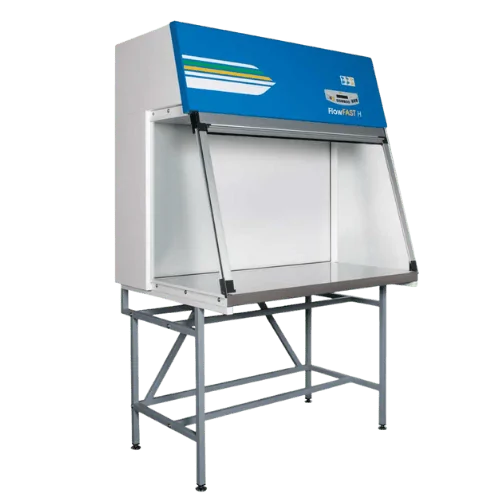

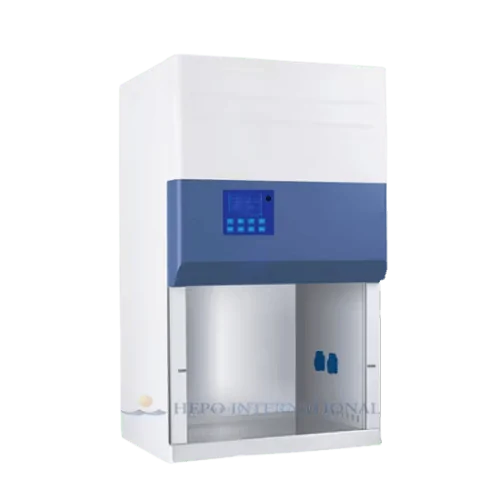
In biological laboratories, AlfaEng biosafety cabinets (BSCs) are a leading choice for personnel protection, product protection, and environmental protection. These biological safety cabinets are ergonomic and environmentally friendly, designed to provide a safe work zone with ISO Class 5 standards while handling hazardous biological material. The downflow air passes through a HEPA filter in the laminar flow hood, preventing biohazard exposure and cross-contamination, while the exhaust air is filtered before environmental release, maintaining safety in the laboratory environment.
AlfaEng Class II BSCs are tested and certified to NSF/ANSI 49 and EN12469 standards. They include bench top and console models that can be recirculated into the laboratory environment or routed through a facility exhaust system. With precise optimum control over product quality, these one type of biocontainment equipment ensures BSCs in biological laboratories reliably protect personnel, the environment, and products, allowing safe and efficient handling of biological samples every day.
In biological laboratories, using a Biological Safety Cabinet (BSC) like TopAir Class II models is essential to protect personnel, environment, and sensitive work processes where biological agents are handled. This equipment is used in biological and microbiological industries to provide high product protection while maintaining personnel protection and environmental protection.
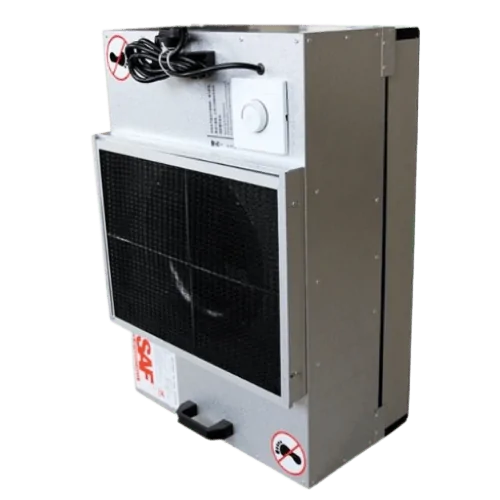
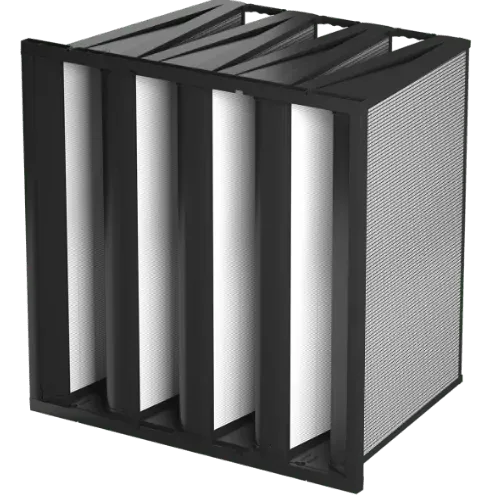
The product achieves exceptional contamination protection through mini pleat ULPA filters (Ultra Low Air Penetration) with an efficiency of 99.999%, which surpasses standard HEPA filters. Integrating this one type of biocontainment equipment ensures BSCs in biological laboratories operate reliably, keeping staff, samples, and the environment safe during everyday laboratory activities.
Working in biological laboratories, I have often relied on the Biological Safety Cabinet or Biosafety Cabinet (BSC) for handling pathogenic biological samples safely. This equipment is used for applications that require a sterile work zone, as it controls the inflow and downflow of air to provide operator protection. The downflow air passes through a ULPA filter or HEPA filter, creating an ISO Class 3 work zone that prevents cross-contamination of samples, while the exhausted air is filtered before entering the environment.
Brands like Esco BSCs offer multiple options, including work trays, side panel construction, and additional accessories, all designed with ergonomic and energy-saving features. To ensure optimum performance, these biocontainment equipment units are tested and classified according to EN 12469:2000 and NSF 49 standards. Using such one critical type of Biosafety Cabinet in biological laboratories has shown me how essential they are for personnel protection, environmental protection, and product protection in everyday lab operations.
Classification and Safety Features of Biological Safety Cabinets
In biological laboratories, BSCs are equipment essential for personnel protection, environmental protection, and product protection. Standards such as EN 12469: 2000 and NSF/ANSI 49 help ensure that Biological Safety Cabinets are properly tested and classified. The standard classifies BSCs into Class I, Class II, and Class III, each designed for different levels of biohazard and exposure protection. The Class I Biological Safety Cabinet protects the operator and the environment, but samples may still be exposed to contaminants from room air, introducing a risk of cross-contamination that can affect experimental consistency.
The Class II Biological Safety Cabinet is more advanced, with plenum systems that re-circulate downflow air while exhausted air is filtered through HEPA filtration systems. Subtypes like Class II Type A1, Type A2, Type B1, and Type B2 use positively-pressurized contaminated plenums and negative pressure designs to prevent aerosol leaks. Type B2 cabinets, for example, provide total exhaust and no re-circulation, making them safer for toxic chemicals in microbiological processes, though they require larger installation systems and ducting works. Class III Biological Safety Cabinets operate under negative pressure, using glove ports to handle the most lethal biological hazards across biosafety levels 1–4, often with double HEPA filtration or incinerated exhaust air for maximum containment. Using such one type of biocontainment equipment in biological laboratories ensures BSCs reliably protect personnel, the environment, and products in high-risk lab operations.
| Product Name | Biological Safety Cabinet |
| Cabinet Types | Class I, Class II (A2/B2), Class III |
| Protection | Operator, product, and environmental protection |
| Filtration | HEPA or ULPA filters with ≥99.99% efficiency |
| Airflow | Vertical laminar airflow with exhaust filtration |
| Material | Powder-coated steel or stainless steel body |
| Front Access | Safety glass with ergonomic design |
| Noise Level | Low noise (≤65 dB) |
| Compliance | NSF/ANSI 49, EN 12469, ISO 14644 |
| Applications | Microbiology, pharmaceuticals, biotechnology, medical research |